PVC Vinyl Ceiling Tiles vs Mineral Fiber: Which Resists Basement Mold?
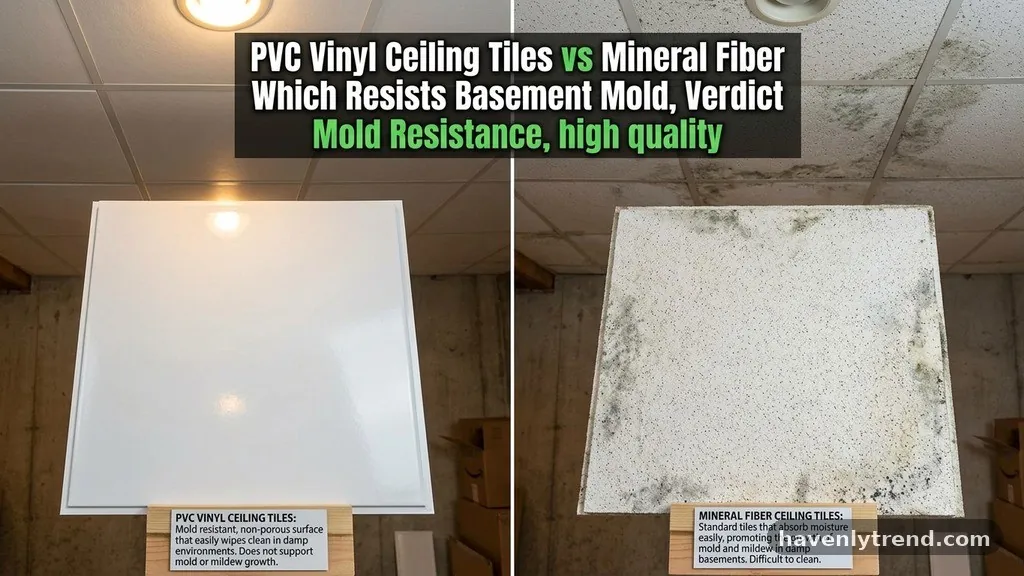
Deciding between PVC vinyl ceiling tiles and traditional mineral fiber panels is a common challenge for homeowners finishing a basement. Because basements are prone to fluctuating humidity and potential water leaks, choosing the right material is essential to prevent long-term structural issues. When evaluating PVC vinyl ceiling tiles vs mineral fiber regarding mold resistance, the clear winner is PVC.
Vinyl is a non-porous synthetic material that does not support fungal growth, whereas mineral fiber acts as a sponge for moisture, creating an ideal breeding ground for mold. Understanding the physical properties of these materials will help you make a decision that protects your property from the risks of basement humidity.
The Verdict on Mold Resistance

If you are strictly concerned about mold, PVC is the superior choice for any below-grade space. Mineral fiber tiles are typically composed of recycled paper, starch, and mineral wool, which are organic materials that mold thrives on once they become damp. Even if your basement is climate-controlled, a single plumbing leak or a period of high humidity can cause mineral fiber to absorb moisture and develop permanent dark spots.
In contrast, PVC ceiling tiles are made from polyvinyl chloride, a plastic that is completely impervious to water. Because it is non-porous, moisture simply beads up on the surface rather than soaking into the core of the tile.
This prevents the mold cycle from ever beginning, as there is no organic food source for the fungi to consume. For homeowners in flood-prone areas or regions with high groundwater tables, this specific attribute makes vinyl an essential long-term investment.
Understanding Mineral Fiber Construction
Mineral fiber tiles have been the industry standard for commercial offices for decades, primarily due to their low cost and acoustic properties. These panels are manufactured by pressing a mixture of mineral wool, clay, and binders into a rigid board. While they are engineered to be lightweight, their porous nature is their greatest weakness in a residential basement setting.
When these panels are exposed to moisture, they lose their structural integrity. You will often see them sag or warp after a minor leak, making them look unkempt and unattractive. Once they are saturated, they often require immediate replacement because the mold spores become embedded deep within the fiber, making them nearly impossible to clean or sanitize effectively.
How PVC Tiles Perform in Humid Environments

PVC tiles offer a clean, clinical, and highly durable solution for basement ceiling grids. Because they are essentially plastic sheets formed into a decorative shape, they do not react to the atmospheric conditions that plague other materials. They are completely unaffected by the damp, musty air that often characterizes unfinished or semi-finished basement storage areas.
Beyond their resistance to biological growth, these tiles are also incredibly easy to maintain. If you notice dust or grime accumulation, you can wipe them down with a damp cloth or even a mild disinfectant without worrying about damaging the material. This makes them a practical choice for areas like basement workshops, laundry rooms, or kitchens where spills and airborne debris are common occurrences.
Comparing Acoustic Performance
While PVC wins the battle against mold, mineral fiber is frequently chosen for its superior sound absorption. The porous, fibrous nature of mineral boards allows them to trap sound waves, which reduces echo and noise in large, open-plan basements. If you are building a home theater or a quiet study area, you might feel compelled to choose mineral fiber for its acoustic benefits.
However, the industry has evolved to offer solutions that bridge this gap. Many manufacturers now produce high-end PVC tiles with textured surfaces designed to disperse sound, and you can always place acoustic batts above the grid to improve performance. You do not have to sacrifice sound quality for hygiene, but you must be prepared to invest more effort into the installation to ensure the room stays quiet.
Installation and Grid Compatibility
Both material types are designed to fit into a standard drop ceiling grid, which is typically a system of suspended metal T-bars. Because both are available in standard 2×2 and 2×4 sizes, swapping one for the other is usually a straightforward process. If you are replacing existing mineral fiber tiles with PVC, you simply remove the old boards and drop the new ones in place.
One thing to keep in mind is the weight of the material. Mineral fiber is lightweight but fragile, meaning it can crack if you handle it too roughly during installation.
PVC is flexible and durable, which makes it much easier to cut around light fixtures or HVAC vents. You can use a standard utility knife or heavy-duty scissors to trim PVC tiles, whereas mineral fiber requires a sharp blade and a steady hand to avoid crumbling edges.
| Feature | Mineral Fiber | PVC Vinyl |
|---|---|---|
| Mold Resistance | Low | Excellent |
| Water Absorption | High | Zero |
| Acoustic Quality | High | Low to Moderate |
| Maintenance | Difficult | Very Easy |
| Durability | Fragile | High |
Cost Considerations for Your Project

Budget is often the primary driver for homeowners selecting ceiling materials. Mineral fiber is generally the most affordable option on the market, which is why it remains the go-to for large commercial projects where thousands of square feet must be covered. If you have a massive basement area and a tight budget, the initial cost of mineral fiber is hard to beat.
PVC tiles are typically more expensive than standard mineral fiber, often costing two to three times as much per square foot depending on the design. However, you must consider the “total cost of ownership” rather than just the initial purchase price. If you have to replace moldy mineral fiber tiles after five years, the cheaper option becomes more expensive in the long run.
Fire Safety and Code Compliance
Every interior material must meet specific fire safety standards, especially in a basement where furnace units and electrical wiring are often present. Most modern PVC ceiling tiles are treated with fire-retardant additives to ensure they pass Class A fire ratings. You should always check the manufacturer’s documentation to confirm that the tiles meet your local building codes.
Mineral fiber is inherently non-combustible due to its mineral-based composition, which gives it a natural advantage in fire resistance tests. If your local building authority is particularly strict regarding fire safety in residential basement spaces, ensure you have the appropriate certification for your chosen PVC product. The National Fire Protection Association provides detailed standards on building safety that can help you verify if your specific choice meets the necessary criteria for your local jurisdiction.
Design and Aesthetic Limitations

A common critique of older PVC ceiling tiles was their “shiny” or “plastic” appearance, which some homeowners felt looked cheap. Modern manufacturing techniques have significantly improved these aesthetics. You can now find PVC tiles that mimic the look of traditional tin ceilings, wood slats, or even subtle matte textures that blend seamlessly into a modern interior.
Mineral fiber has its own aesthetic limitations, primarily the visible grid lines and the tendency for the edges to fray or sag over time. If you want a smooth, high-end look that hides the grid or provides a consistent finish, high-quality PVC often offers a more polished result. Choosing a matte finish will prevent the reflection issues that some people dislike about plastic ceiling materials.
Maintenance and Long-Term Care
The maintenance of your ceiling will depend heavily on the environment of your basement. If you use your basement for exercise, as a laundry room, or as a play area, the ceiling will be subject to more physical wear and moisture. PVC allows you to scrub away stains or even remove tiles to wash them in a utility sink if necessary.
Mineral fiber is essentially a “one-and-done” material. Once it is stained by a leak or marked by a scuff, it is almost impossible to return it to its original state.
You would likely be forced to buy a new box of tiles to replace the damaged ones. For homeowners who value low-maintenance living, the ability to clean a surface with soap and water is a significant advantage of PVC.
Factors to Consider Before Purchasing
Before you commit to a specific material, evaluate the moisture history of your basement. If you have ever experienced standing water or significant condensation on your pipes, avoid mineral fiber entirely. The risk of hidden mold growth behind a ceiling that looks fine on the surface is a serious health concern for your family.
Think about the longevity of your renovation. Are you planning to stay in the home for the next decade, or is this a quick flip?
Investing in a higher-quality ceiling material like PVC can be a selling point for potential buyers who are savvy about home maintenance and mold prevention. Use the following checklist to evaluate your needs before heading to the store:
- Assess the basement for signs of past flooding or water stains on walls.
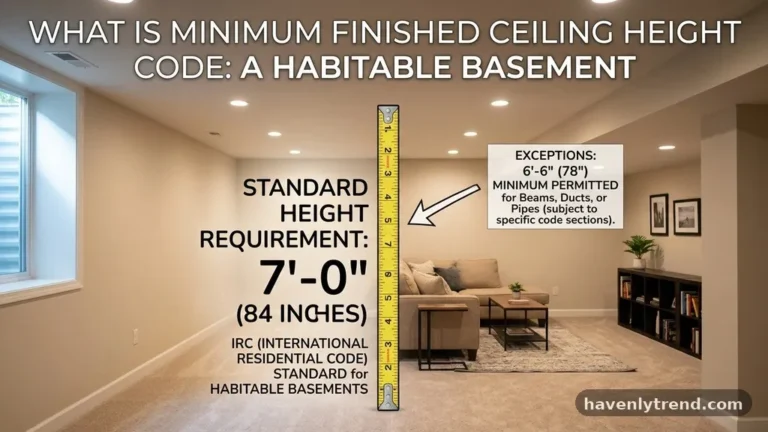
- Measure the ceiling height to ensure the grid system won’t make the space feel too cramped.
- Check local building codes for fire rating requirements in finished basements.
- Determine if the basement will be used for high-humidity activities like laundry or showering.
- Compare the total square footage against your budget for both materials.
Frequently Asked Questions
Is it possible to paint mineral fiber tiles to make them mold resistant?
While you can apply a mold-resistant primer or paint to mineral fiber, it does not fix the underlying issue. The material remains porous, and moisture can still penetrate the painted surface to reach the organic fibers inside, allowing mold to grow beneath the coating.
Do PVC ceiling tiles sag over time like mineral fiber?
Generally, no. PVC is a rigid plastic that maintains its shape regardless of humidity levels. As long as the grid is installed correctly and the tiles are supported properly, you will not see the sagging that is common with moisture-damaged mineral fiber.
Can I install recessed lighting in a PVC ceiling?
Yes, you can install recessed lighting in PVC tiles, but you must use the appropriate brackets to support the weight of the fixtures. Because PVC is thin, it cannot support the weight of the light itself; the light must be attached to the metal grid or the joists above.
Are there any health risks associated with PVC ceiling tiles?
High-quality, modern PVC tiles are generally safe for indoor use and are often used in commercial kitchen environments. However, it is always wise to choose products that are certified for low VOC emissions to ensure the air quality in your home remains high.
Does mineral fiber contain asbestos?
Modern mineral fiber ceiling tiles manufactured after the 1980s do not contain asbestos. If you are renovating an older basement with original ceiling tiles from several decades ago, you should have them tested by a professional before disturbing them.
Final Thoughts
Choosing between PVC vinyl ceiling tiles and mineral fiber for your basement ultimately comes down to your priorities regarding moisture, maintenance, and budget. If you are looking for a permanent, worry-free solution that effectively resists mold in damp environments, PVC is the clear winner. While mineral fiber offers a lower upfront cost and traditional sound-dampening qualities, the risk of water damage and subsequent mold growth makes it a risky choice for below-grade spaces.
By selecting materials that align with the reality of your basement’s climate, you can ensure a beautiful, healthy space that lasts for years. Take the time to assess your specific environment, and you will be well on your way to a successful renovation.